By Betty Kyakuwa
For most people, the thought of death evokes grief, fear, or loss. But at Makerere University's College of Health Sciences, death became a lesson in gratitude, service, and humanity as students, faculty, and health professionals gathered to honour a unique group of teachers, individuals who continued to educate future doctors long after their passing.
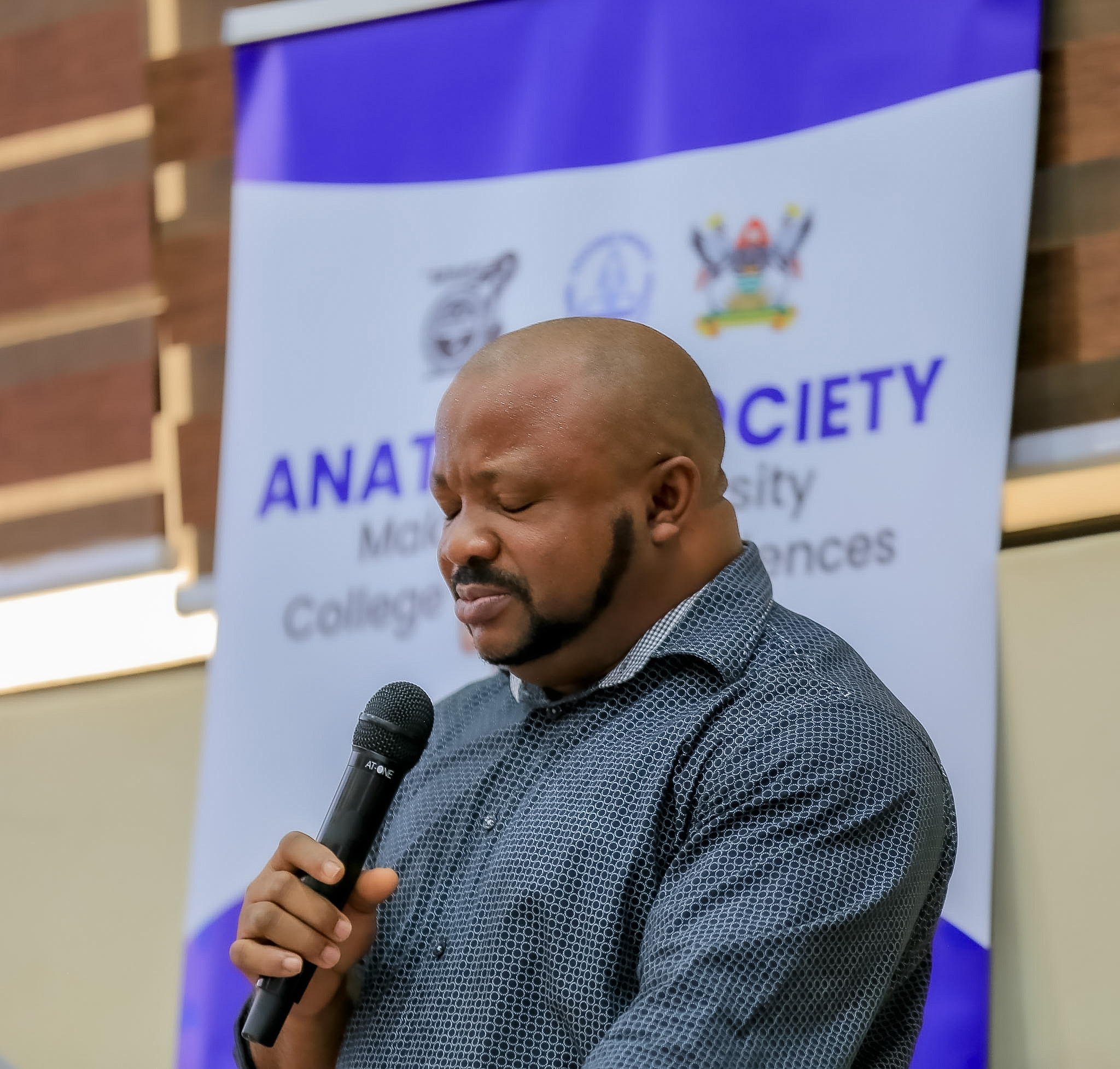
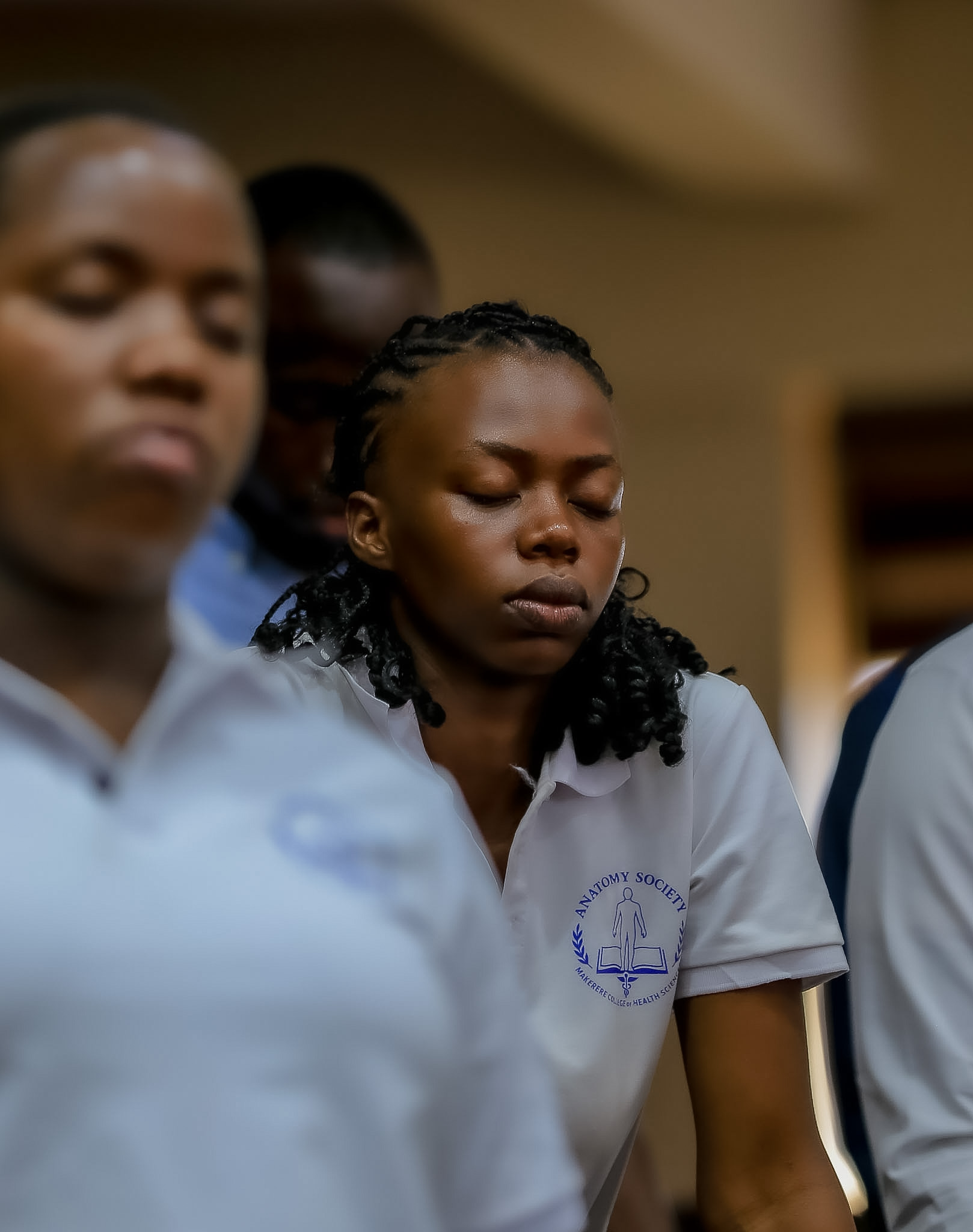
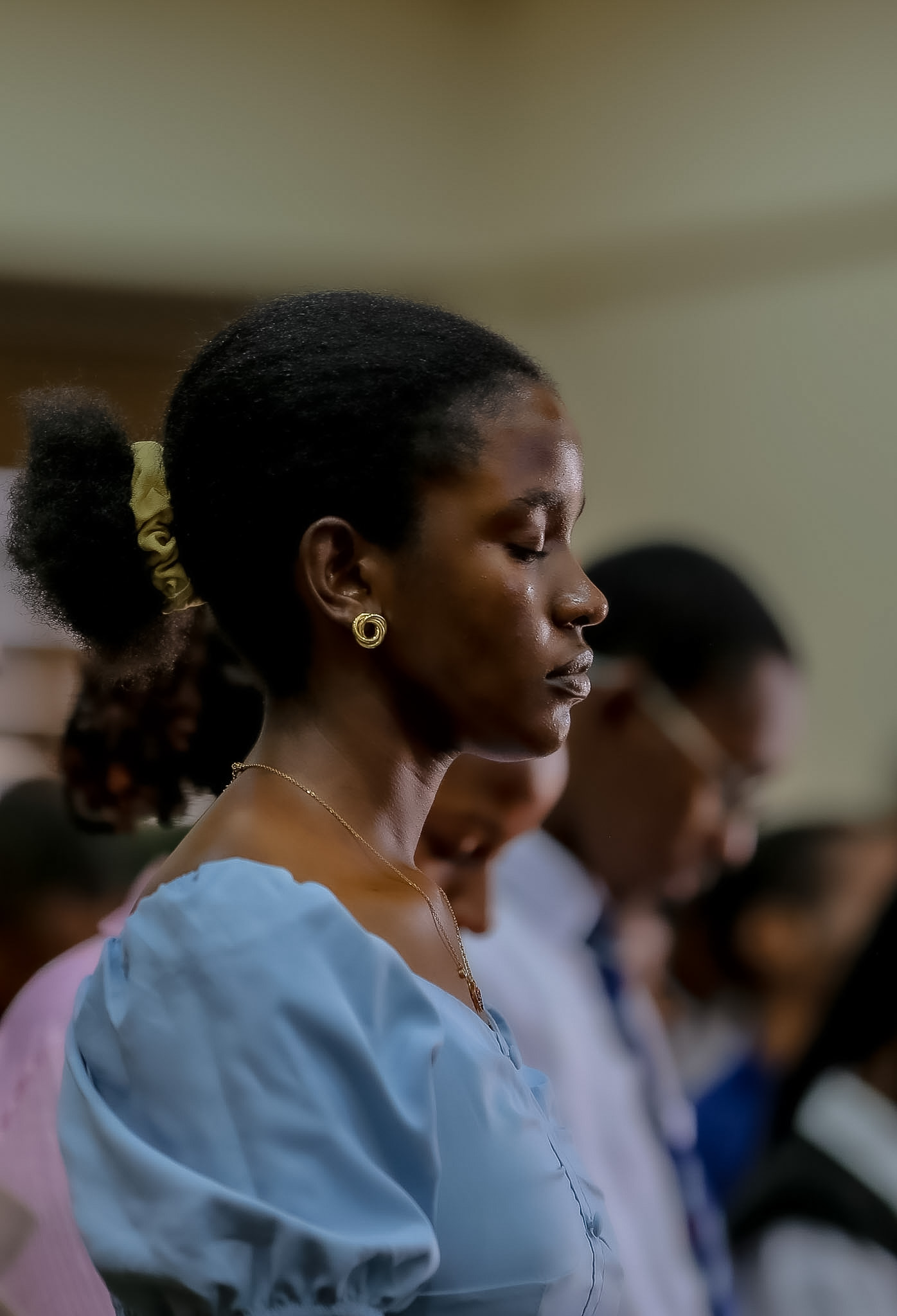
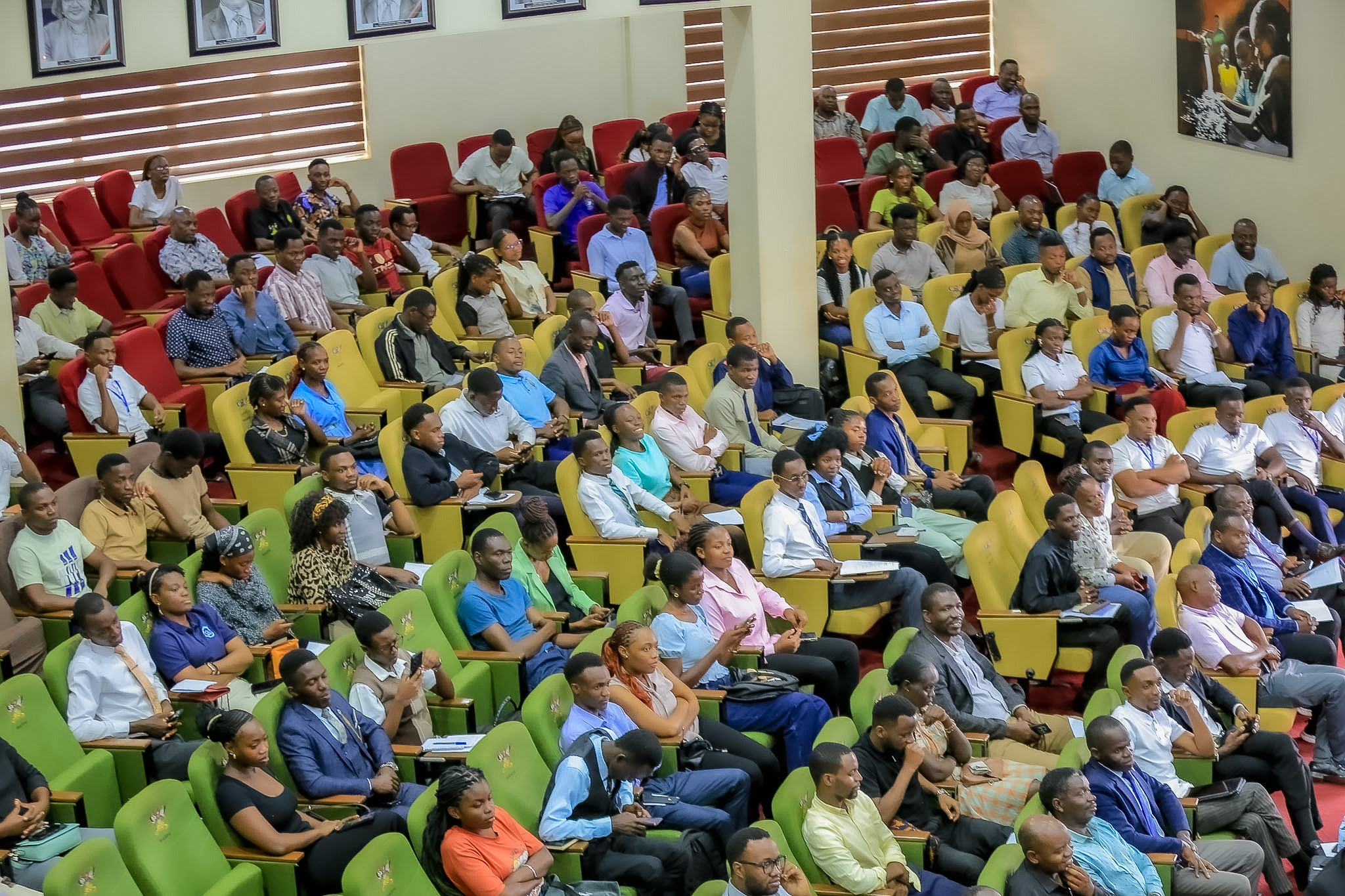
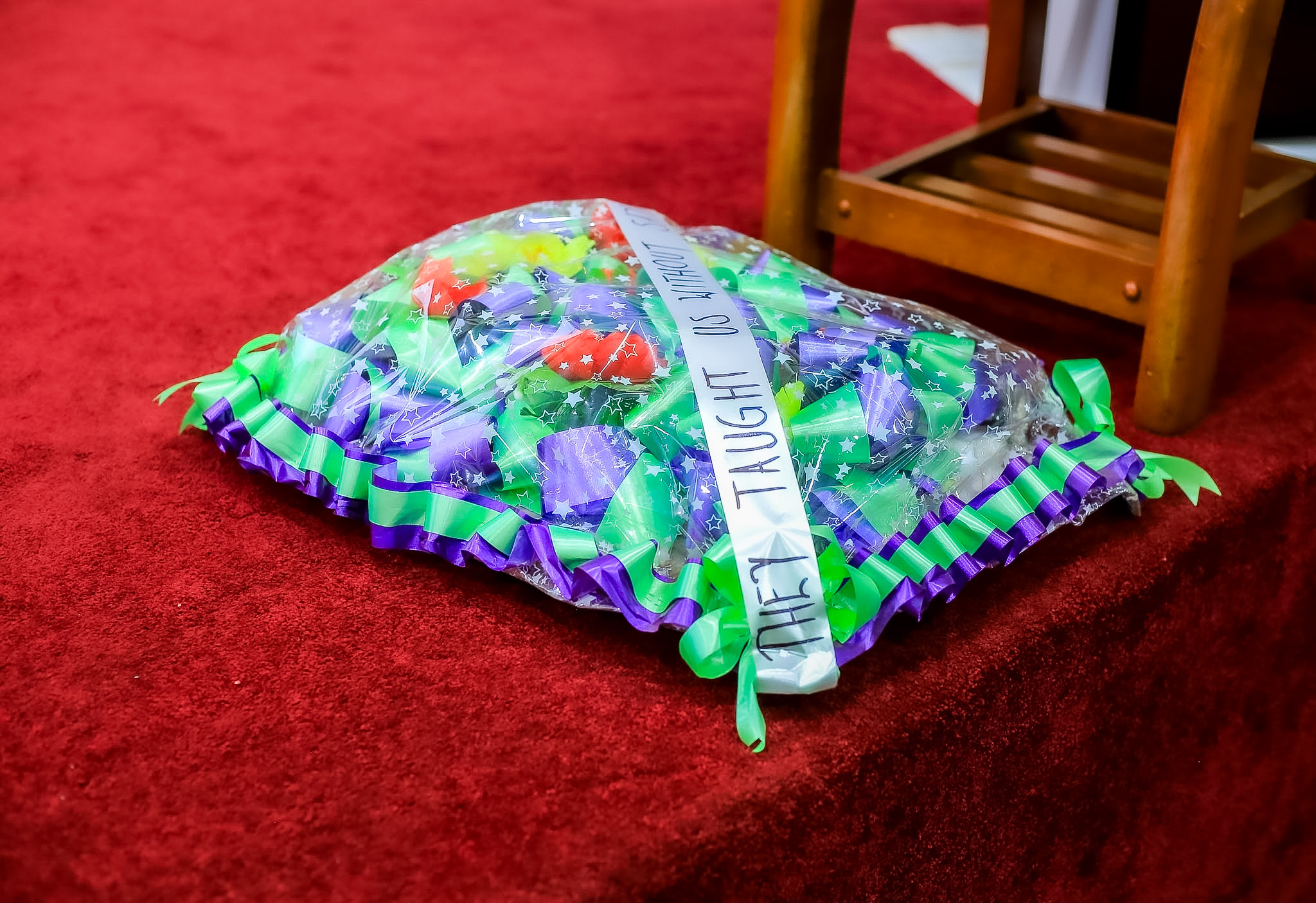
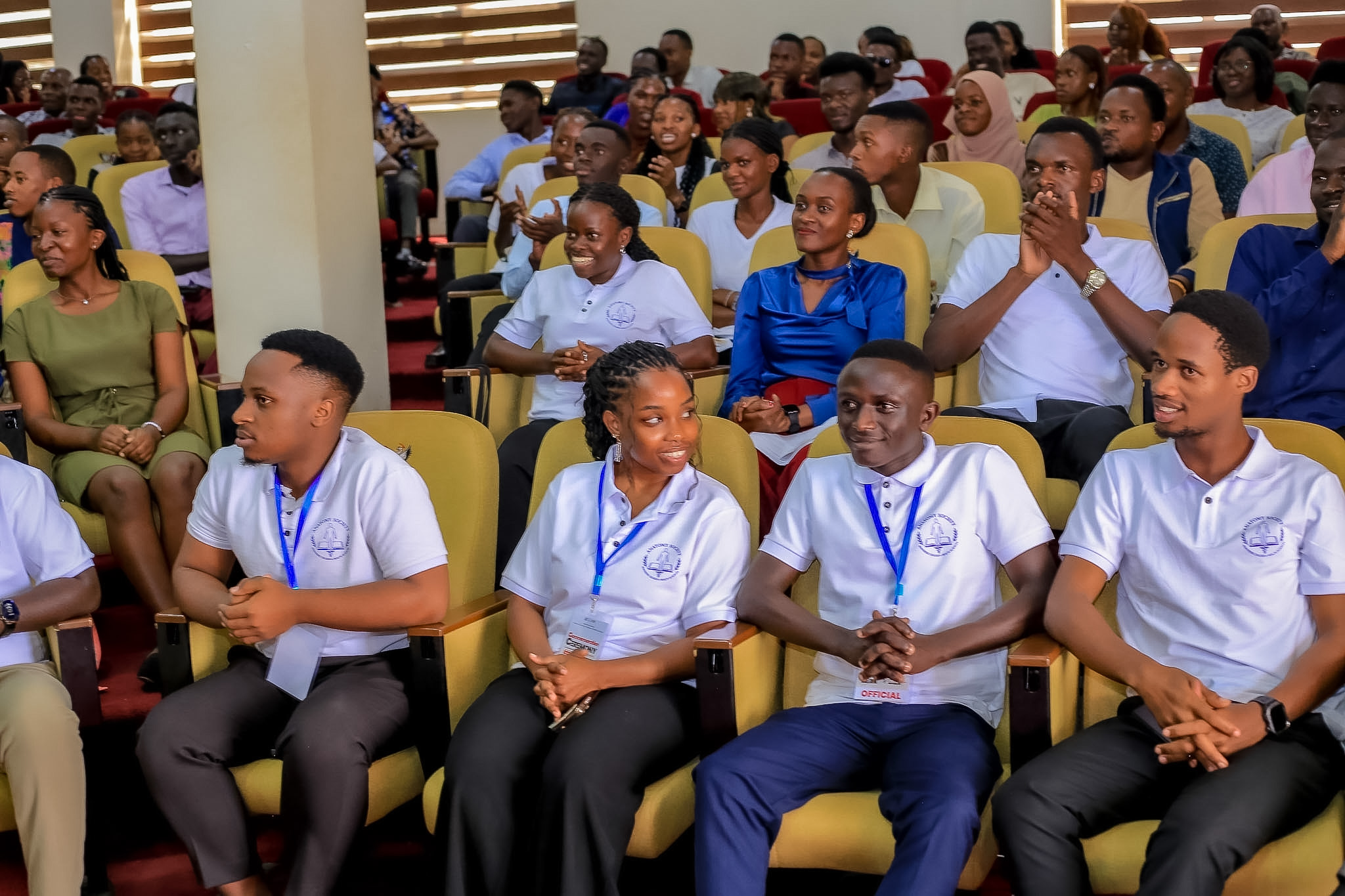
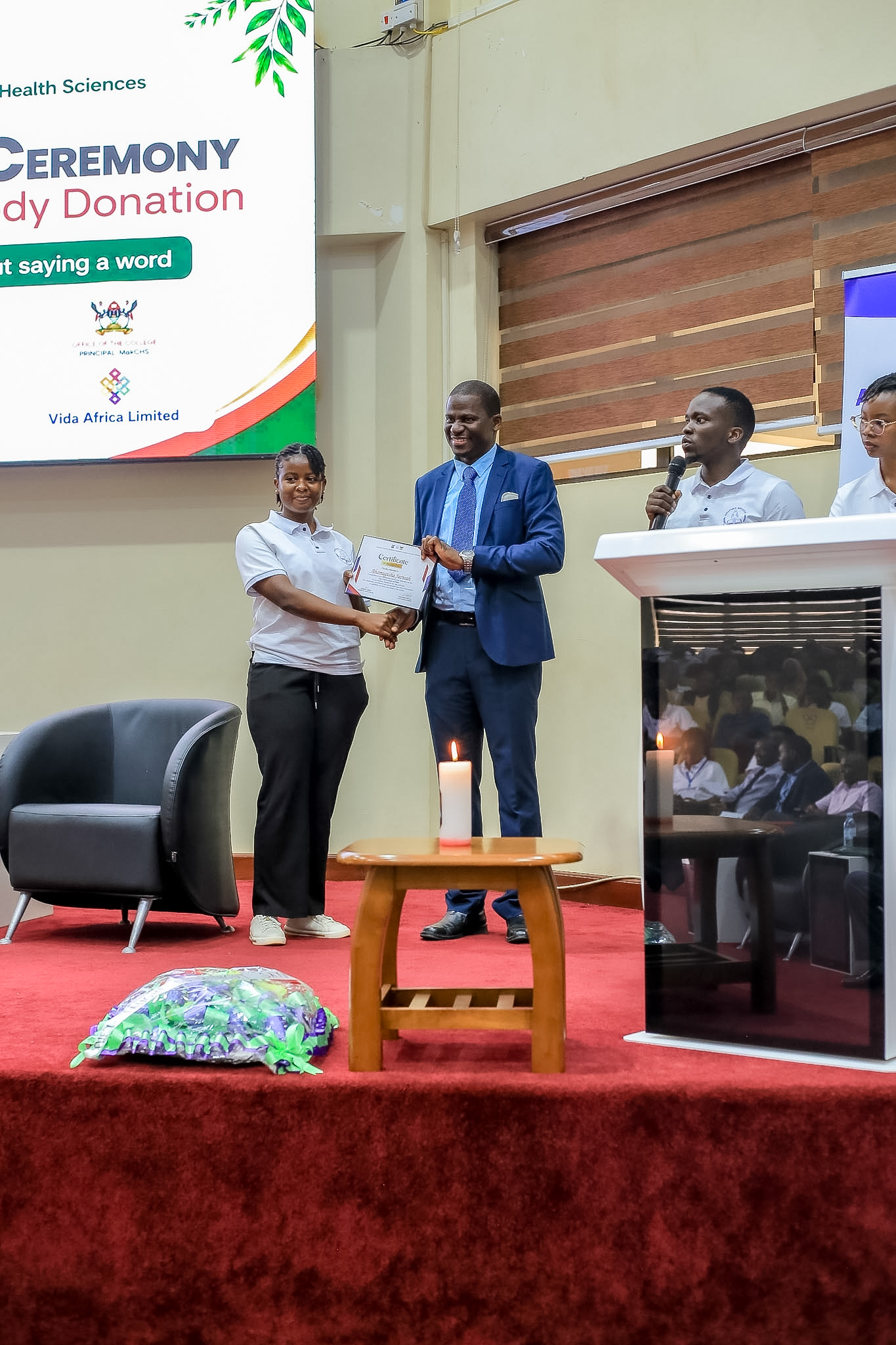
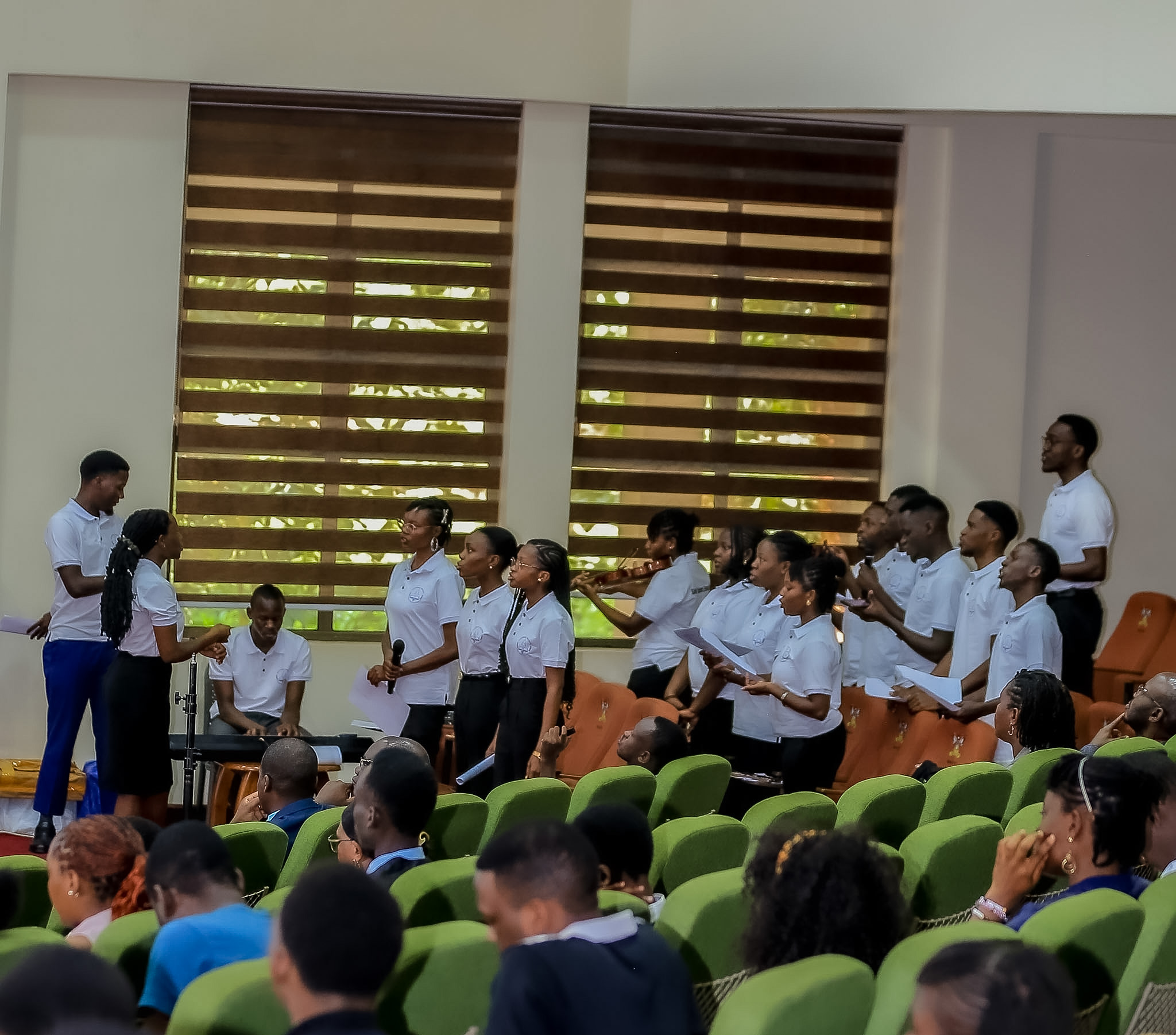
At the Second Cadaver Commemoration Ceremony, on June 11, 2026, organized by the Makerere Students' Anatomy Society, candles flickered softly as students paid tribute to what they fondly call their "silent teachers", the human bodies that make it possible for medical students to learn anatomy and develop the skills that will one day save lives.
Standing before fellow students and guests, Chairperson of the Makerere Students' Anatomy Society, Joseph Mwera, reminded the audience that the ceremony was not about mourning the dead.
"Today, we gather not only to remember those whose bodies have contributed to medical education but also to celebrate their lives," he said. "Their legacy continues to inspire and serve humanity even after death."
For many medical students, the anatomy laboratory is where they first encounter the reality of the profession they have chosen. Behind every lesson on muscles, nerves, blood vessels, and organs is a person who once lived, loved, worked, and contributed to society.
That reality was brought to life by the keynote speaker, Rev. Prof. Dr. Samuel Luboga, a surgeon, anatomist, and priest who spent nearly four decades teaching anatomy at Makerere University.
Reflecting on his own days as a medical student, Prof. Luboga recalled spending long hours in the anatomy laboratory after his classmates had gone home, studying human anatomy in detail.
Many people wondered whether he was afraid to spend so much time among cadavers.
His answer was simple.
"These men and women had lived productive lives. They had raised families, served their communities, and contributed to Uganda's development. Even in death, they continued to teach us the science and art of medicine. They had earned my admiration, my respect, and my gratitude."
His remarks resonated deeply with the students in attendance.
In a society where discussions about death and body donation remain sensitive, Prof. Luboga challenged participants to view the individuals in anatomy laboratories not as lifeless remains but as people who continue to contribute to humanity through education.
"The silent teachers before us today made learning possible," he said. "The impact of their contribution is reflected in the doctors you have become and those you are yet to become. It is reflected in the countless patients you will treat and the innumerable lives you will save."
Legal framework to guide body donation
The ceremony also sparked important conversations about the future of anatomical education in Uganda.
Head of the Department of Anatomy, Prof. Elisa Mwaka, highlighted the need for a national legal framework to guide body donation and anatomical research. While anatomy training in Uganda has traditionally relied on unclaimed bodies obtained through hospitals, she noted that many countries are increasingly embracing voluntary body donation programmes.
According to Prof. Mwaka, building public trust will be essential if Uganda is to establish a sustainable body donation programme.
"We must help the public understand how human bodies contribute to medical education, how they are treated with dignity, and how appropriate legal safeguards can protect donors and their families," he said.
He revealed that discussions are already underway to develop an Anatomy Act that would provide a modern legal and ethical framework for the use of human remains in medical education and research.
Representing the Deputy Vice Chancellor (Academic Affairs), Prof. Julius Kikooma described the ceremony as much more than an academic event.
"Behind every competent healthcare professional stands an invaluable source of learning that often remains unseen and unheard," he said. "These individuals taught us without speaking a single word. Though they are no longer able to communicate, their contribution continues to educate, inspire, and shape future generations of healthcare professionals."
He commended the medical students for organizing what remains the only cadaver commemoration ceremony of its kind in Uganda, noting that the initiative reflects the values of compassion, professionalism, and respect for human dignity that are at the heart of medicine.
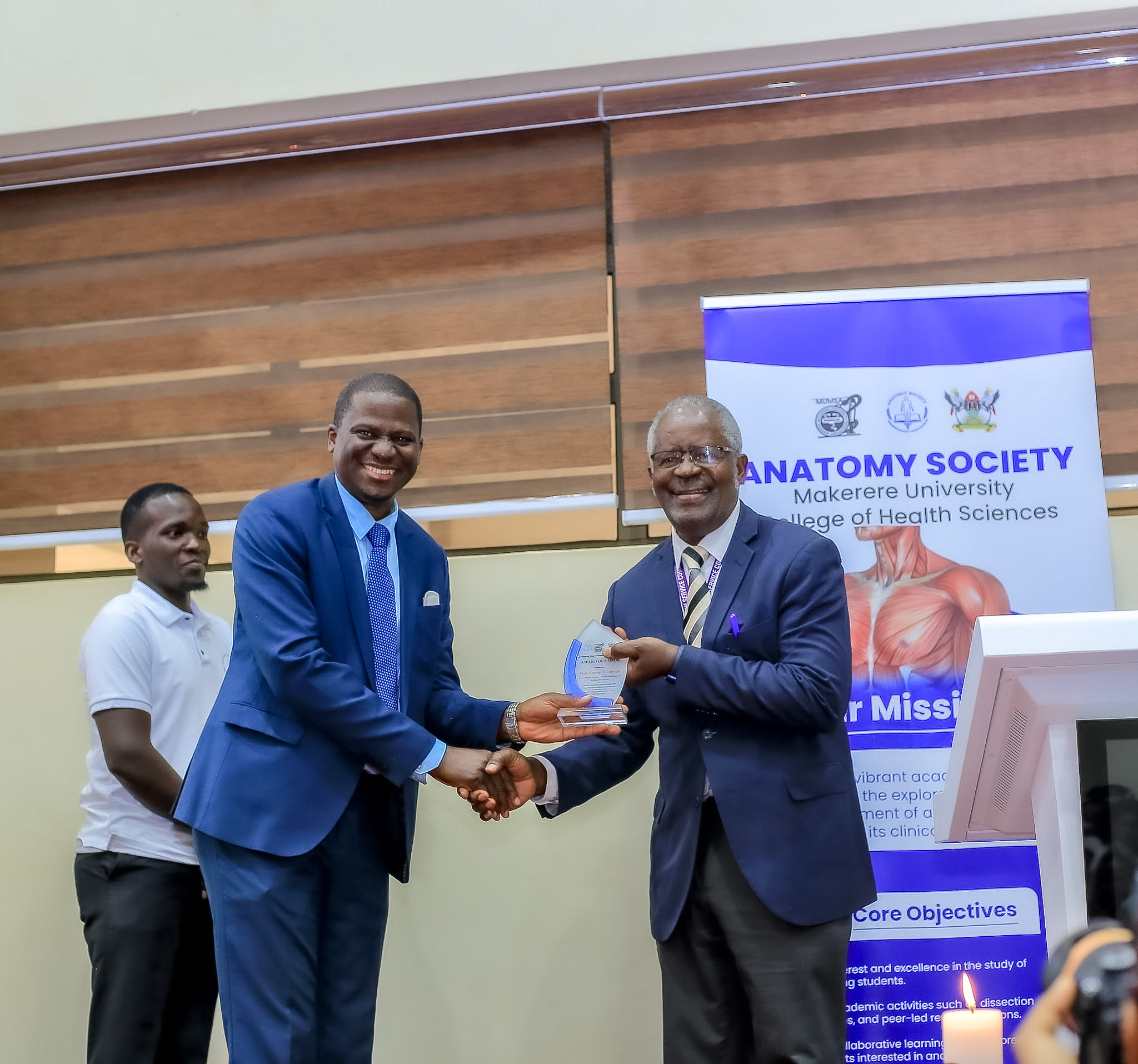
The event concluded with recognition of past and present leaders of the Department of Anatomy whose contributions have shaped anatomical education at Makerere University over the decades. Students also honoured exceptional educators who have inspired generations of future health professionals.
Yet the most powerful tribute of the day was reserved for those who could not be present to receive awards or applause.
The silent teachers
Individuals whose names may never appear in textbooks, whose stories may never be fully known, but whose gift continues to echo through hospital wards, operating theatres, and communities across Uganda.
Every doctor trained, every surgery performed, and every life saved carries a small part of their legacy.
And for one day at Makerere University, students paused to say the words that are rarely spoken aloud: Thank you.